April 6, 2026
Keeping your home or property clean and well-maintained often requires more than just scrubbing and rinsing—it calls for the right approach tailored to your surfaces. Understanding the difference between soft washing and pressure washing is essential for achieving effective, long-lasting results while protecting your investment. Soft washing uses gentle, low-pressure water combined with specialized cleaning solutions to safely remove algae, mold, and stains from delicate surfaces, while pressure washing relies on high-pressure jets to tackle tough, hard-to-clean areas. Knowing which method suits your home’s materials ensures both cleanliness and preservation, preventing unnecessary damage and costly repairs.
Understanding Soft Washing
Soft washing refers to a cleaning technique that uses a low-pressure water system combined with specialized cleaning solutions to remove dirt, algae, and stains from surfaces. Unlike pressure house washing, soft washing relies more on the cleaning agents and less on the brute force of water pressure. This method is gentle and suitable for surfaces that might be damaged by high-pressure water. The process typically involves applying a biodegradable cleaning solution that breaks down organic materials, followed by a soft rinse. Due to its gentle nature, soft washing is commonly used on roofs, siding, decks, and other delicate surfaces.
Soft washing offers several advantages, especially for surfaces that require gentle treatment. One of the key benefits is its ability to effectively clean without damaging surface materials. This makes it ideal for cleaning roofs, wood paneling, and painted surfaces. Additionally, the biodegradable solutions used in soft house washing not only clean but also inhibit the future growth of mold and mildew. Moreover, because it uses low pressure, it poses fewer risks of injury to users or bystanders.
The versatility of soft washing makes it the preferred method for cleaning a variety of surfaces that are sensitive to high pressure. Best practices suggest using soft washing for asphalt shingles, wood paneling, and delicate siding materials. The gentle nature of the technique ensures that surfaces like plaster and stucco remain intact and undamaged. Homeowners with vinyl siding often choose soft washing to prevent cracking or warping that can occur with high-pressure methods. Additionally, when cleaning historical or older buildings, soft washing preserves the integrity of aging materials.
Soft washing utilizes a range of cleaning agents that are specifically designed to break down organic materials without causing harm to the environment. The primary chemicals often include biodegradable surfactants that help loosen dirt, mold, and algae. In most cases, sodium hypochlorite is used as a disinfectant, which effectively kills mold and mildew spores, ensuring longer-lasting cleanliness. The selection and concentration of chemicals are crucial to balancing effective cleaning with environmental safety. Many soft washing solutions are formulated to minimize potential runoff issues, protecting surrounding vegetation and wildlife.
While soft washing has many benefits, there are limitations to consider. One downside is that it may not effectively clean heavily soiled or hard surfaces where grit and grime are embedded. The process can be more time-consuming than pressure washing due to the reliance on chemical actions. It may also require more frequent applications to maintain the same level of cleanliness. In addition, the use of chemicals, despite being biodegradable, might raise concerns for environmentally conscious homeowners. Understanding the context and condition of surfaces is vital to determining when soft washing is appropriate.
Understanding Pressure Washing
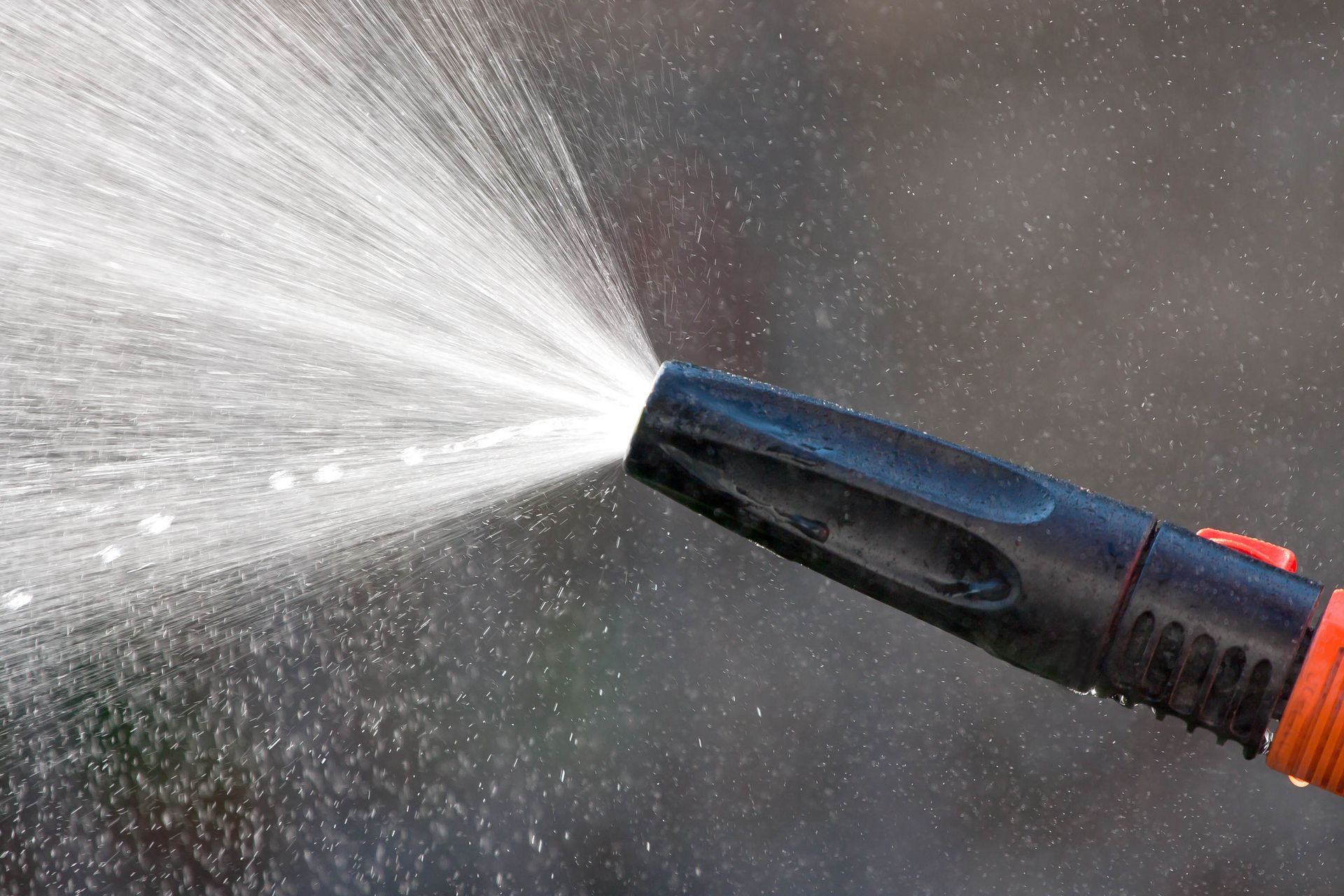
Pressure washing, unlike its soft counterpart, relies on high-pressure water jets to remove dirt, mold, and grime. This method is effective for cleaning hard surfaces where stubborn deposits have accumulated. The process involves a motorized pump that pressurizes water, ejecting it through a nozzle at high speed. Users often opt for pressure house washing on driveways, patios, and concrete surfaces. However, the force it exerts can cause damage if not used carefully, particularly on more delicate structures.
The primary advantage of pressure washing is its power to quickly and efficiently clean tough surfaces. This method excels at managing heavily stained or dirty areas that require more forceful action. It's especially useful for removing graffiti, caked-on mud, and stubborn stains from concrete or brickwork. Additionally, due to its efficiency, pressure washing can save time and effort compared to manual scrubbing or less intense methods. According to ZipDo Education Reports, about 70% of pressure-washing companies report increased demand during spring and summer months, highlighting its popularity during these times of year.
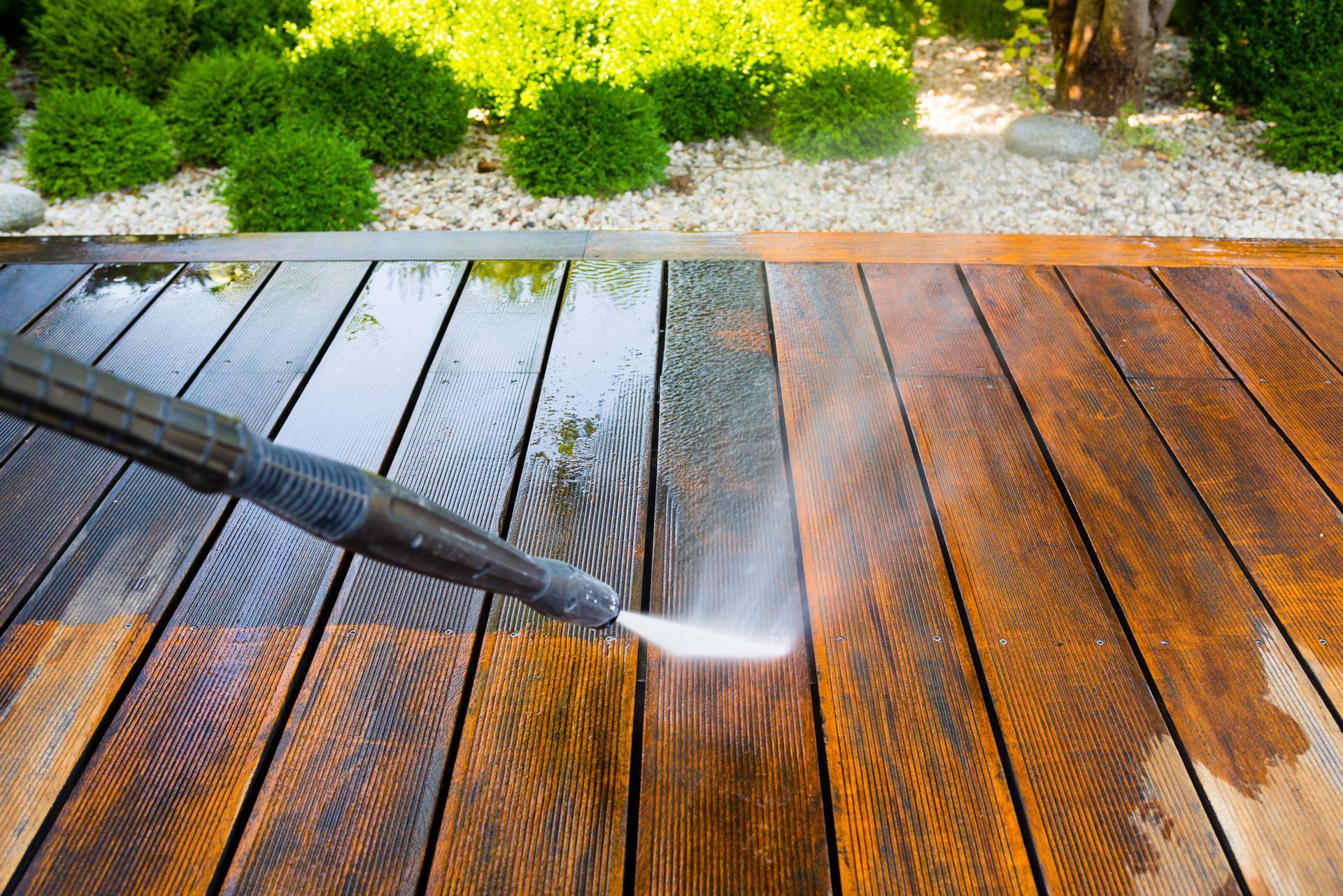
Pressure washing shines on surfaces that are resilient and can withstand direct force. It's ideal for cleaning driveways, pathways, and sidewalks, where dirt and moss can take hold of porous surfaces. Decks made of durable wood, metal fences, and brick walls can benefit from the deep-cleaning power of pressure house washing. However, caution should be exercised on painted or fragile surfaces to prevent chipping, cracking, or peeling. Homeowners often find it effective for preparing surfaces for painting or sealing.
Pressure washing, while powerful, presents certain health and safety concerns. The high-pressure stream can cause injuries if it comes into contact with skin, leading to lacerations or even more severe injuries. Users must wear protective gear such as gloves, goggles, and sturdy footwear to minimize risks. Furthermore, the risk of damaging surfaces remains high, requiring careful handling and correct nozzle selection to avoid undesired effects. Operators should also be mindful of electrical hazards, as water and electricity pose dangerous combinations when cleaning.
Comparative Analysis: Soft Washing vs. Pressure Washing
Both soft washing and pressure washing can effectively tackle mold and mildew, but they differ in their approaches. Soft house washing uses chemical solutions to eliminate mold and mildew at the root, offering longer-lasting results by inhibiting regrowth. The chemicals penetrate building materials to kill spores and prevent them from returning. In contrast, pressure washing removes surface mold with high-pressure sprays, often requiring more frequent applications. Homeowners should weigh the pros and cons of each method based on how ingrained the mold and mildew issues are on their properties.
The choice between soft and pressure washing depends significantly on the types of materials being cleaned. Soft washing is gentle enough for delicate surfaces like shingles and siding, but it might not penetrate hard surfaces like concrete as effectively. Meanwhile, pressure washing is well-suited for hard, durable surfaces that can withstand the force, such as brick or metal. Using the wrong method on certain materials can lead to costly repairs or replacements. Professional consultation can help in material evaluation to ensure the right washing method is applied.
The cost-effectiveness of each method varies based on the scope of cleaning required and long-term maintenance goals. Soft washing may have a higher upfront cost, given the need for specialized solutions and potentially longer service time. However, its ability to prevent mold and mildew regrowth can lead to cost savings over time by reducing future cleaning frequency. Pressure house washing may initially appear cheaper due to shorter service time and equipment simplicity, yet more frequent applications might incur greater costs. Homeowners should consider both initial investment and maintenance when assessing overall cost-effectiveness.
Evaluating the condition and type of materials on your property is key to selecting the most effective method. Protect your home and enjoy superior results by consulting with a professional cleaning service that can recommend and perform the right approach for your needs. Contact a certified soft washing and pressure house washing expert at AA PurePressure LLC today to schedule a consultation and keep your property looking its best year-round.